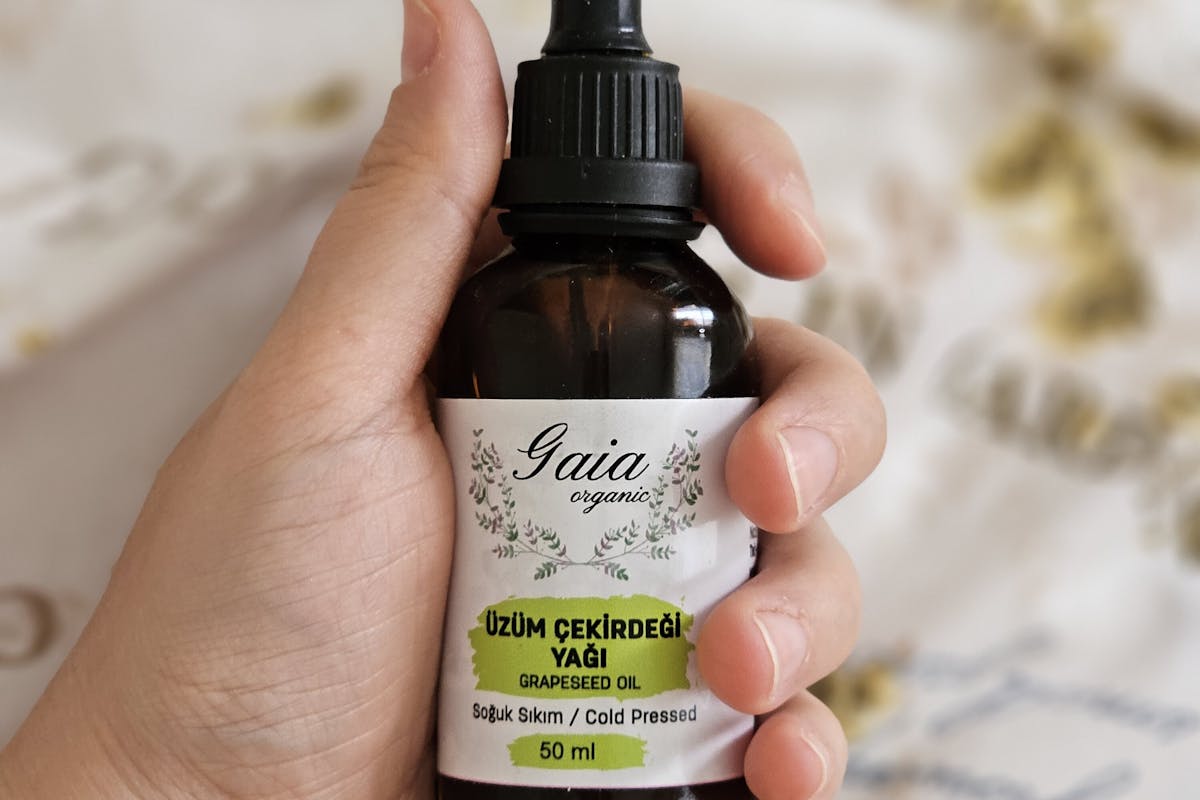
Is Grapeseed Oil Good for Your Skin? Benefits, Risks, and Uses Explained

- Grapeseed oil is lightweight, non-comedogenic, and rich in linoleic acid and antioxidants, making it suitable for most skin types.
-
It helps improve hydration, supports the skin barrier, and protects against oxidative stress.
-
Grapeseed oil may benefit acne-prone skin by balancing sebum and reducing mild inflammation.
-
It offers mild anti-aging effects by maintaining skin smoothness and elasticity over time.
-
Sensitive skin generally tolerates it well, but patch testing and high-quality cold-pressed oil are recommended.
-
Overuse or low-quality oil can cause irritation or breakouts, so proper application is essential.
-
Grapeseed oil works best as a complementary skincare product, not a replacement for active treatments like retinoids or serums.
Natural skincare ingredients continue to gain attention among health-conscious consumers, and grapeseed oil is one of the most frequently discussed. Derived from the seeds of grapes, this lightweight oil has made its way into facial serums, moisturizers, cleansers, and even dermatological formulations. But popularity alone does not guarantee effectiveness.
Health-conscious readers often look for natural remedies and oils to support both internal and external wellness. Just as grapeseed oil is used topically for skin benefits, many people are curious about when to take black seed oil for overall health, whether in supplement form or as part of a daily routine.
This article takes a research-based, practical look at grapeseed oil and answers the most common question people ask: Is grapeseed oil good for your skin? We will explore its nutritional profile, proven benefits, potential risks, suitability for different skin types, and the best ways to use it safely and effectively.
What Is Grapeseed Oil and Why Is It Used in Skincare?

Grapeseed oil is extracted from the seeds of grapes, typically as a byproduct of winemaking. In skincare, it is valued for its light texture, fast absorption, and nutrient composition. Unlike heavier plant oils, grapeseed oil does not leave a greasy residue, which makes it appealing to people who prefer minimal, breathable skincare routines.
From a health perspective, grapeseed oil contains essential fatty acids, antioxidants, and plant compounds that support skin structure and protection. These properties have made it a popular ingredient in both natural and commercial skincare products. Its neutral scent and stability also allow it to blend easily with other active ingredients.
As interest in clean beauty and ingredient transparency grows, grapeseed oil stands out as a plant-based option that aligns with wellness-focused lifestyles. However, understanding what it contains is key to knowing how it works.
Key Nutrients Found in Grapeseed Oil
-
Linoleic acid (omega-6 fatty acid)
-
Vitamin E (tocopherols)
-
Polyphenols and flavonoids
-
Phytosterols
Why Skincare Brands Use It
-
Lightweight and non-comedogenic
-
Absorbs quickly into the skin
-
Compatible with sensitive formulations
-
Supports antioxidant protection
Is Grapeseed Oil Good for Your Skin? A Science-Based Overview
To understand whether grapeseed oil is good for your skin, it helps to look at its biological effects rather than marketing claims. Scientific studies have shown that oils rich in linoleic acid play an important role in maintaining the skin’s protective barrier. Grapeseed oil is especially high in this fatty acid, which is often deficient in people with acne-prone or compromised skin.
In addition, grapeseed oil contains antioxidant compounds that help neutralize free radicals caused by pollution, UV exposure, and lifestyle factors. These free radicals contribute to premature skin aging and inflammation. By reducing oxidative stress, grapeseed oil may help preserve skin health over time.
Another important factor is how the oil interacts with the skin’s natural sebum. Its molecular structure closely resembles human skin oils, which allows it to moisturize without clogging pores. This makes it suitable for a wide range of skin types when used appropriately.
What Research Suggests
-
Supports skin barrier repair
-
Helps reduce oxidative damage
-
Improves hydration without heaviness
-
May regulate excess oil production
How It Compares to Heavier Oils
-
Less occlusive than coconut oil
-
Lower clogging risk than olive oil
-
More suitable for daily facial use
What Are the Skin Benefits of Grapeseed Oil?
Grapeseed oil offers multiple skin benefits, especially for individuals focused on long-term skin health rather than quick cosmetic fixes. Its nutrient profile supports both surface-level hydration and deeper protective functions of the skin. Because it is lightweight, it works well in layered skincare routines.
Health-conscious users often appreciate that grapeseed oil provides moisture without interfering with the skin’s natural processes. It does not form a thick barrier that traps heat or sweat, which can be problematic for people with active lifestyles or humid environments.
The benefits of grapeseed oil tend to build gradually with consistent use, making it more suitable for preventive care than dramatic overnight results.
Main Skin Benefits
-
Improves skin softness and smoothness
-
Supports elasticity and firmness
-
Helps balance oil production
-
Enhances overall skin resilience
Long-Term Wellness Advantages
-
Protects skin from environmental stress
-
Reduces moisture loss over time
-
Supports healthy skin aging
How Does Grapeseed Oil Help with Hydration and Moisture Balance?
Hydration is not just about adding water to the skin; it also involves preventing moisture loss. Grapeseed oil acts as an emollient, meaning it softens the skin and helps seal in hydration without creating a heavy film. This makes it particularly useful for people who want lightweight moisture.
The high linoleic acid content helps reinforce the lipid barrier of the skin. When this barrier is intact, the skin is better able to retain moisture and protect itself from irritants. This is especially important for health-conscious individuals who may be exposed to environmental stressors such as pollution or air conditioning.
Unlike occlusive agents that sit on top of the skin, grapeseed oil penetrates easily, improving moisture balance from within.
Hydration Benefits
-
Reduces transepidermal water loss
-
Keeps skin soft without clogging pores
-
Suitable for layering under sunscreen
Who Benefits Most
-
People with combination skin
-
Those living in humid climates
-
Individuals using active skincare ingredients
Can Grapeseed Oil Support Acne-Prone Skin?
Acne-prone skin often lacks linoleic acid, which can cause sebum to become thick and pore-clogging. Grapeseed oil helps replenish this essential fatty acid, potentially making sebum flow more easily and reducing congestion. This makes it a popular option among people seeking gentler alternatives to harsh acne treatments.
Another benefit is its mild anti-inflammatory properties. While it is not an acne treatment, grapeseed oil may help calm redness and irritation associated with breakouts. Its lightweight nature also reduces the likelihood of exacerbating acne.
However, results depend on product quality and individual skin response. Patch testing is essential before incorporating it into an acne-focused routine.
Why It May Help Acne-Prone Skin
-
Non-comedogenic rating
-
Supports healthier sebum composition
-
Calms mild inflammation
Best Practices
-
Use a few drops only
-
Apply to damp skin
-
Avoid mixing with pore-clogging products
Does Grapeseed Oil Have Anti-Aging Properties?
Aging skin is influenced by oxidative stress, moisture loss, and reduced elasticity. Grapeseed oil addresses these factors primarily through its antioxidant content. Vitamin E and polyphenols help protect skin cells from damage caused by free radicals.
While grapeseed oil does not stimulate collagen production directly, it supports the skin environment needed for healthy aging. By maintaining hydration and reducing inflammation, it helps skin appear smoother and more resilient over time.
For health-conscious individuals, grapeseed oil fits well into preventive skincare strategies that emphasize protection rather than correction.
Anti-Aging Benefits
-
Reduces visible dryness lines
-
Improves skin smoothness
-
Enhances antioxidant defense
What It Cannot Do
-
Does not replace retinoids
-
Will not eliminate deep wrinkles
-
Works best as a supportive ingredient
Is Grapeseed Oil Safe for Sensitive Skin?
Sensitive skin reacts easily to environmental or topical triggers, making ingredient choice critical. Grapeseed oil is generally well tolerated because it is low in fragrance compounds and has a mild profile. Its anti-inflammatory components may help soothe minor irritation.
However, not all grapeseed oils are equal. Cold-pressed, cosmetic-grade oils are less likely to contain residues that cause reactions. Health-conscious consumers should always check sourcing and processing methods.
Patch testing remains essential, particularly for those with conditions like rosacea or eczema.
Why It Works for Sensitive Skin
-
Lightweight and breathable
-
Low allergenic potential
-
Supports skin barrier repair
Safety Tips
-
Choose unrefined oil
-
Avoid products with added fragrance
-
Test on a small area first
Are There Any Risks or Side Effects of Using Grapeseed Oil?
Although grapeseed oil is generally safe, it is not completely risk-free. Some individuals may experience irritation, especially if the oil is oxidized or improperly stored. Using food-grade oil on the face may also increase the risk of impurities.
Another concern is overuse. Applying too much oil can overwhelm the skin, leading to congestion or imbalance. Moderation and correct application techniques are key.
Understanding these risks helps health-conscious users make informed decisions.
Possible Side Effects
-
Mild irritation or redness
-
Breakouts from over-application
-
Allergic reactions in rare cases
How to Reduce Risks
-
Store away from heat and light
-
Use small amounts
-
Discontinue if irritation occurs
How Should You Use Grapeseed Oil in Your Skincare Routine?
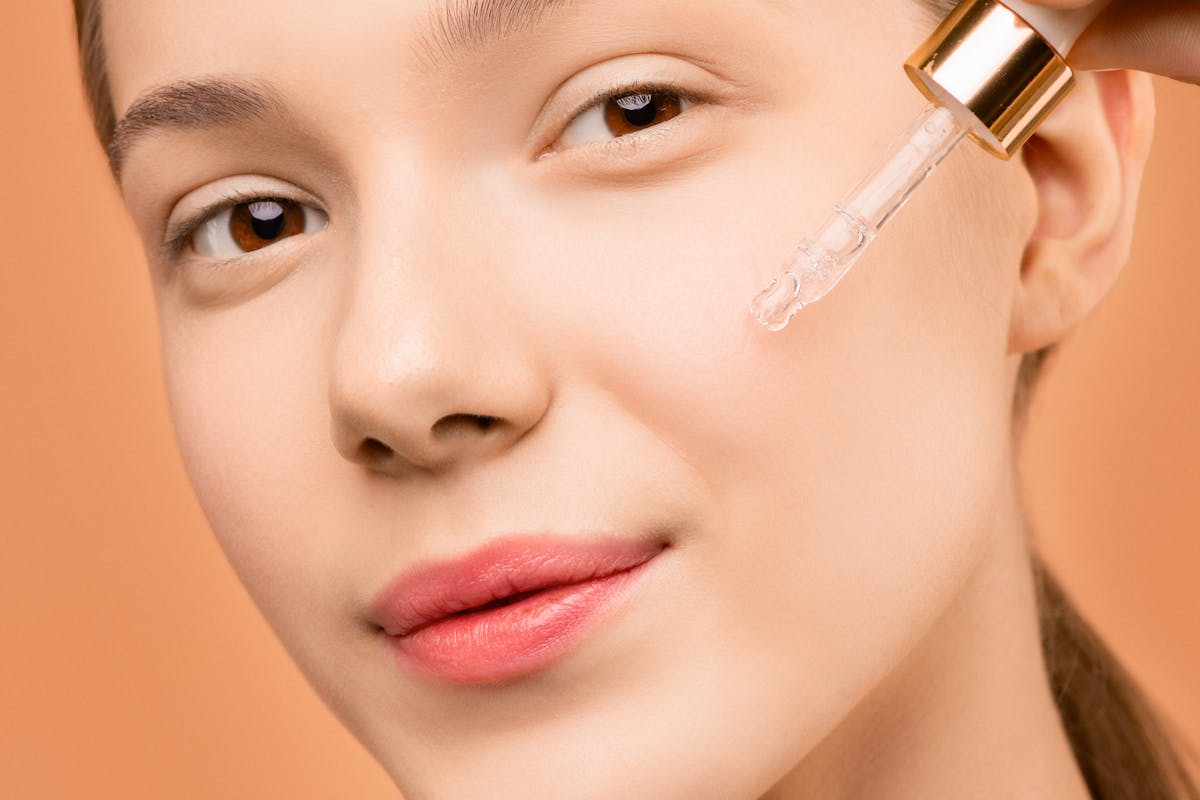
Using grapeseed oil correctly enhances its benefits while minimizing risks. It works best as a supporting product rather than the sole component of a skincare routine. Because it absorbs quickly, it fits well into both morning and evening regimens.
For optimal results, apply grapeseed oil after cleansing and hydrating the skin. This allows the oil to lock in moisture rather than sit on dry skin.
Common Ways to Use It
-
As a facial oil after moisturizer
-
Mixed with lotion for body care
-
As a carrier oil for essential oils
Application Tips
-
Use 2–3 drops for the face
-
Apply to damp skin
-
Press gently, do not rub aggressively
While grapeseed oil is lightweight and suitable for daily use, some people also explore other plant-based oils like black seed oil on the skin, which is known for its anti-inflammatory properties. Grapeseed oil, however, is typically preferred for sensitive or acne-prone skin due to its non-comedogenic nature and fast absorption.”
How Does Grapeseed Oil Compare to Other Popular Facial Oils?
Choosing the right facial oil depends on skin type, lifestyle, and personal goals. Grapeseed oil differs from heavier oils in texture, absorption, and fatty acid composition. These differences influence how the skin responds.
Compared to coconut or olive oil, grapeseed oil is significantly lighter and less likely to clog pores. Compared to jojoba oil, it offers more antioxidant support but slightly less sebum-mimicking properties.
Comparison Overview
-
Lighter than olive oil
-
Less occlusive than coconut oil
-
More antioxidant-rich than jojoba oil
Who Should Choose Grapeseed Oil
-
Oily or combination skin types
-
Minimalist skincare users
-
Health-conscious individuals seeking balance
How to Choose High-Quality Grapeseed Oil for Skin Use
Not all grapeseed oils are suitable for skincare. Quality depends on the extraction method, purity, and storage. Cold-pressed oils retain more nutrients and are less likely to contain chemical residues.
Health-conscious consumers should prioritize transparency and labeling when purchasing grapeseed oil for skin use.
What to Look For
-
Cold-pressed or expeller-pressed
-
Cosmetic or pharmaceutical grade
-
Dark glass packaging
What to Avoid
-
Highly refined oils
-
Artificial fragrances
-
Clear plastic bottles
Final Thoughts: Is Grapeseed Oil Worth Adding to Your Skincare Routine?
Grapeseed oil offers a balanced combination of hydration, antioxidant protection, and lightweight comfort. For health-conscious individuals seeking gentle, plant-based skincare solutions, it can be a valuable addition when used correctly.
While it is not a miracle ingredient, its versatility and skin-friendly profile make it suitable for daily use across many skin types. Understanding its benefits, limitations, and proper application ensures you get the most value from this natural oil.