Can You Put Essential Oils on Your Skin? What Science and Experts Say

- Essential oils are highly concentrated and can penetrate the skin, offering benefits but also posing risks if used improperly.
- Dilution with carrier oils like grapeseed, coconut, or jojoba oil is crucial to prevent irritation and sensitization.
- Absorption rates depend on skin thickness, condition, and application method; broken or sensitive skin increases risk.
- Some oils (lavender, chamomile) are gentler, while others (cinnamon, clove, citrus) require extra caution.
- Patch testing is recommended before applying essential oils to larger skin areas.
- Daily or long-term use without proper dilution can lead to skin sensitivity or adverse reactions.
- Essential oils should complement—not replace—proven dermatological treatments, especially for sensitive or damaged skin.
Essential oils are widely used in wellness routines, from stress relief to skincare. But as their popularity grows, so do questions about safety—especially topical use. Health-conscious individuals often ask whether applying essential oils directly to the skin is truly beneficial or potentially harmful.
This article explores what scientific research and expert opinions say about using essential oils on your skin, how to do it safely, and when caution is necessary.
Can You Put Essential Oils on Your Skin? What Science and Experts Say
Applying essential oils to the skin is one of the most common ways people use them, yet it’s also one of the most misunderstood. From a scientific standpoint, essential oils are highly concentrated plant extracts that contain active compounds capable of penetrating the skin barrier. According to dermatologists and toxicologists, this potency is exactly why proper use matters. Research published in journals like Dermatitis and Contact Dermatitis shows that undiluted essential oils can cause irritation, allergic reactions, or sensitization in some individuals.
Experts agree that essential oils are not inherently unsafe, but they are not risk-free either. Factors such as oil type, concentration, skin condition, and frequency of use all influence outcomes. Understanding how these oils interact with the skin is key to using them responsibly.
What makes essential oils powerful on the skin?
- Small molecular size allows deeper skin penetration
- Active compounds can affect inflammation, microbes, and nerves
- High concentration increases both benefits and risks
How Does Skin Absorb Essential Oils?
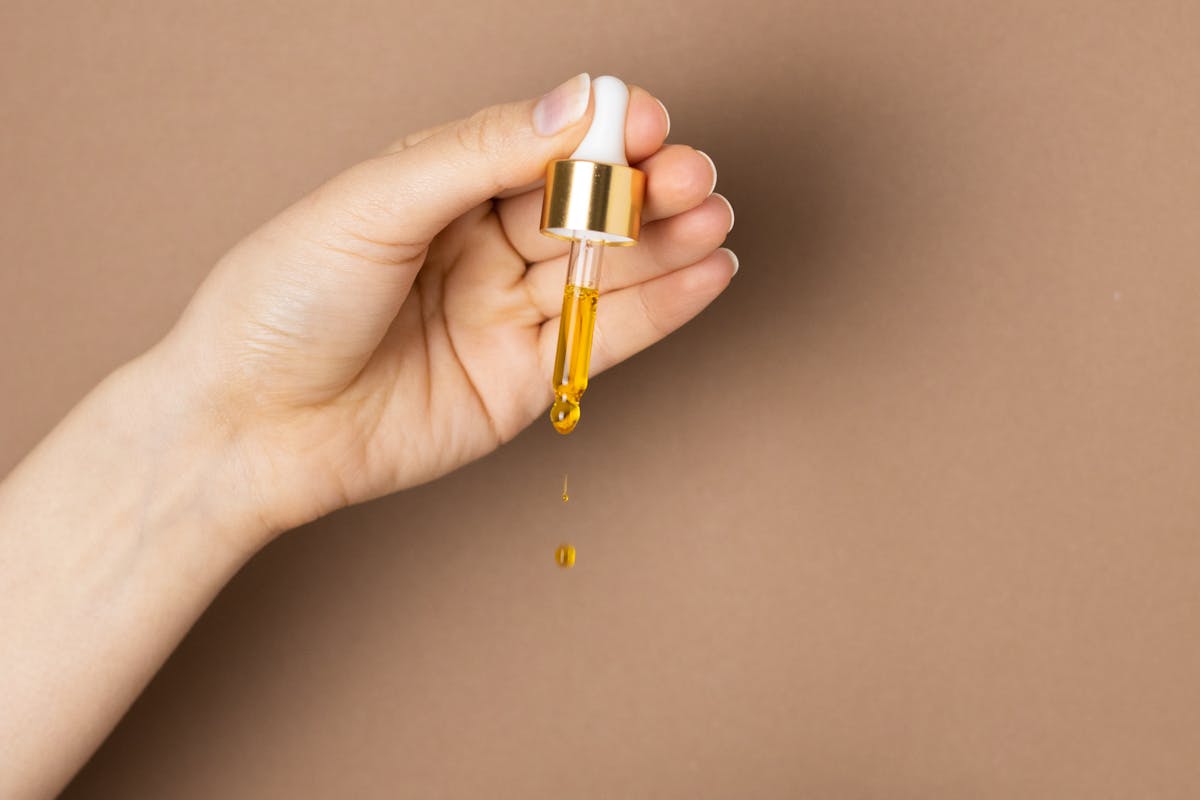
The skin is designed to protect the body, but it is not an impenetrable barrier. Essential oils can pass through the outer layer of the skin and enter the bloodstream in small amounts. This is why topical application can have both localized and systemic effects. Scientific studies confirm that absorption rates depend on the oil’s chemical structure, the area of application, and whether the skin is intact or damaged.
Health experts note that absorption can be beneficial when oils are used correctly, such as in massage therapy or targeted skin care. However, broken skin, frequent application, or high concentrations can overwhelm the skin’s defenses. This is why controlled, diluted use is consistently emphasized in clinical and aromatherapy guidelines.
Factors that affect absorption
- Thickness of skin (face vs. soles of feet)
- Use of heat or occlusion (bandages, wraps)
- Carrier oils used for dilution
Why Is Dilution So Important for Skin Safety?
Dilution is the single most important rule when applying essential oils to the skin. Undiluted oils can disrupt the skin barrier, leading to redness, burning, or long-term sensitivity. Medical experts explain that dilution reduces the concentration of active compounds while still allowing therapeutic benefits. This practice is supported by aromatherapy associations and dermatology research worldwide.
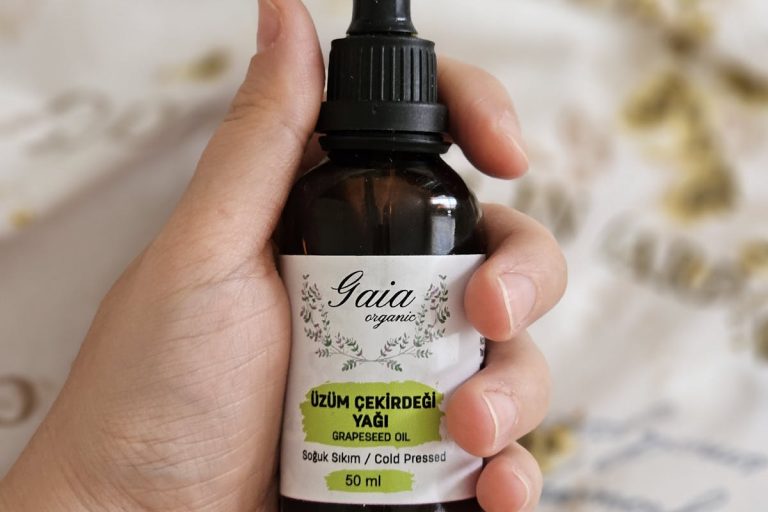
Carrier oils play a crucial role in safe dilution. Oils such as coconut, jojoba, and sweet almond oil help disperse essential oils evenly and slow their absorption. Many people also ask, Is grapeseed oil good for your skin? From a dermatological perspective, grapeseed oil is lightweight, non-comedogenic, and rich in linoleic acid, making it a suitable carrier for oily or acne-prone skin.
General dilution guidelines
- Face: 0.5–1% dilution
- Body: 1–2% dilution
- Spot treatments: Up to 3% for short-term use
Are Some Essential Oils Safer Than Others?
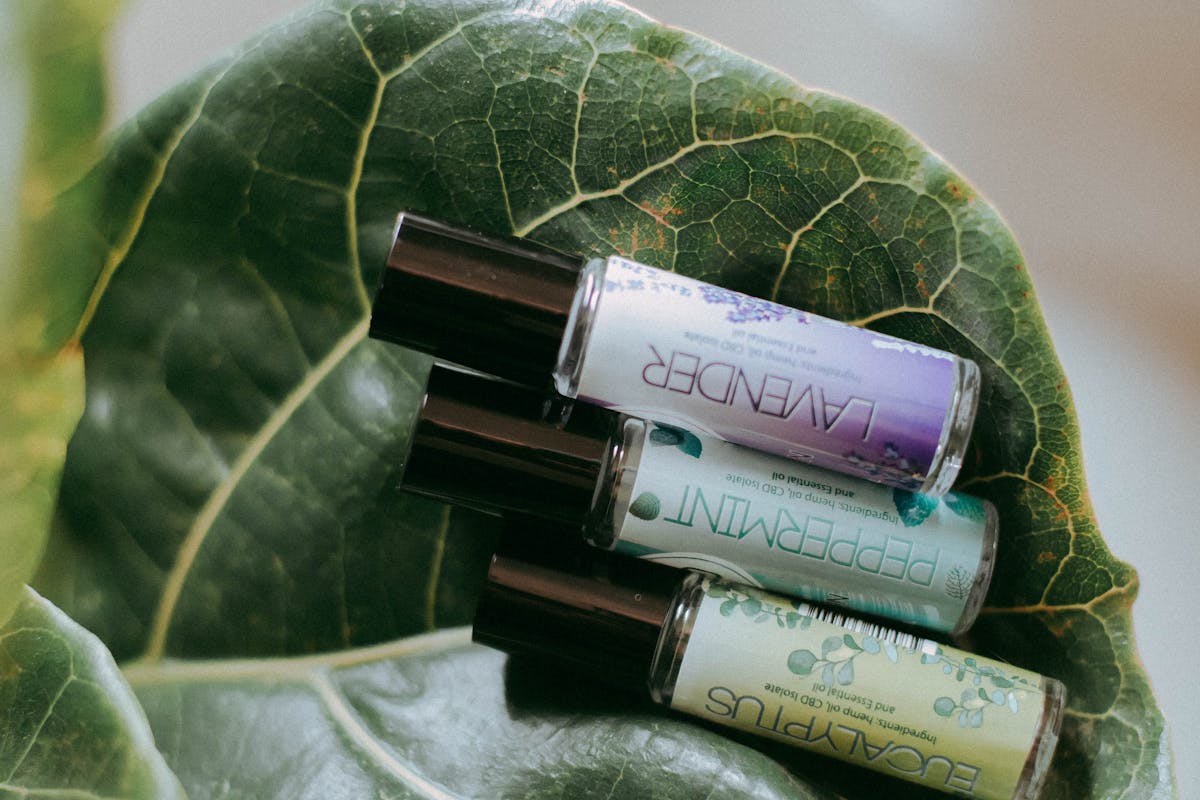
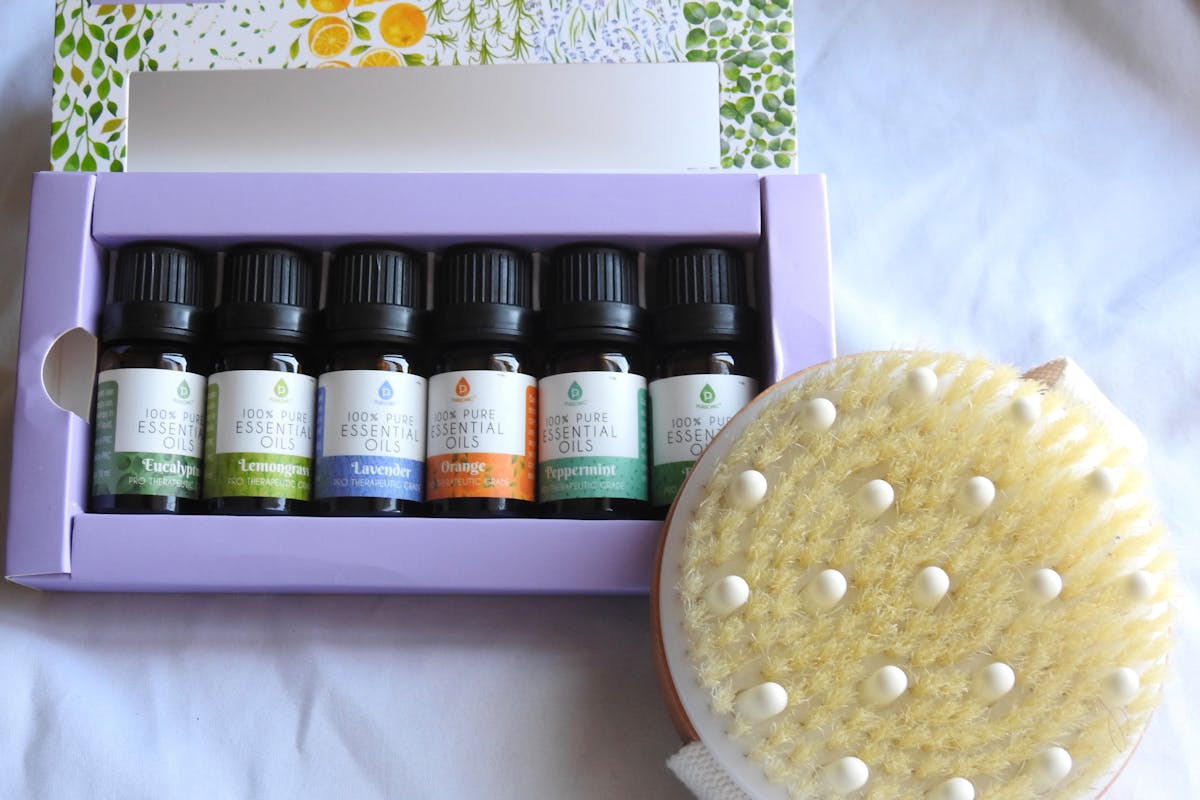
Not all essential oils affect the skin in the same way. Some are considered gentler, while others are more likely to cause irritation or photosensitivity. Scientific reviews highlight that oils high in phenols or aldehydes—such as cinnamon or oregano—are more irritating than oils like lavender or chamomile. This variability is why expert guidance matters, especially for people with sensitive skin or existing skin conditions.
Dermatologists often stress that “natural” does not automatically mean “safe.” Individual reactions can vary, and repeated exposure may increase sensitivity over time. Patch testing is strongly recommended before full application, even for oils labeled as mild.
Oils that are commonly considered gentler
- Lavender
- Roman chamomile
- Frankincense
Oils requiring extra caution
- Cinnamon bark
- Clove
- Citrus oils before sun exposure
What Do Dermatologists and Medical Experts Recommend?
Medical professionals generally take a cautious but balanced stance on topical essential oil use. While they acknowledge potential benefits, they emphasize evidence-based practices and risk awareness. Experts recommend viewing essential oils as complementary—not primary—skin treatments. This means they should support, not replace, proven dermatological care.
Most dermatologists advise avoiding essential oils on broken skin, using them sparingly, and discontinuing use at the first sign of irritation. They also stress that vulnerable groups—such as children, pregnant individuals, and those with chronic skin conditions—should seek professional guidance before use.
Expert-backed safety tips
- Always dilute with a suitable carrier oil
- Perform a patch test 24 hours before use
- Avoid daily long-term application without breaks
Conclusion
Essential oils can offer a range of benefits when applied to the skin, from soothing irritation to promoting relaxation, but they are not without risks. Scientific research and expert guidance consistently emphasize the importance of proper dilution, careful selection of oils, and safe application practices. Using carrier oils like grapeseed oil, performing patch tests, and following recommended concentrations can help minimize adverse reactions while maximizing potential benefits. For health-conscious individuals, understanding how essential oils interact with the skin is key to using them safely and effectively. By combining knowledge, caution, and moderation, you can enjoy the therapeutic advantages of essential oils without compromising skin health.